Geodynamic modeling of solid Earth – ice sheet – sea level interactions
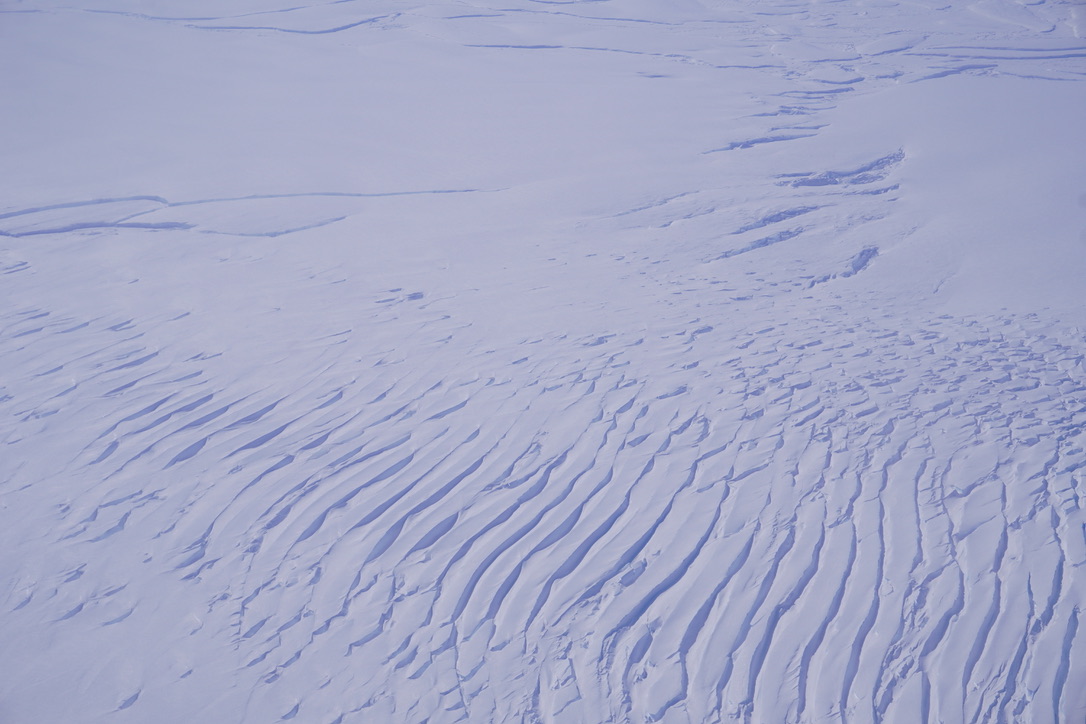
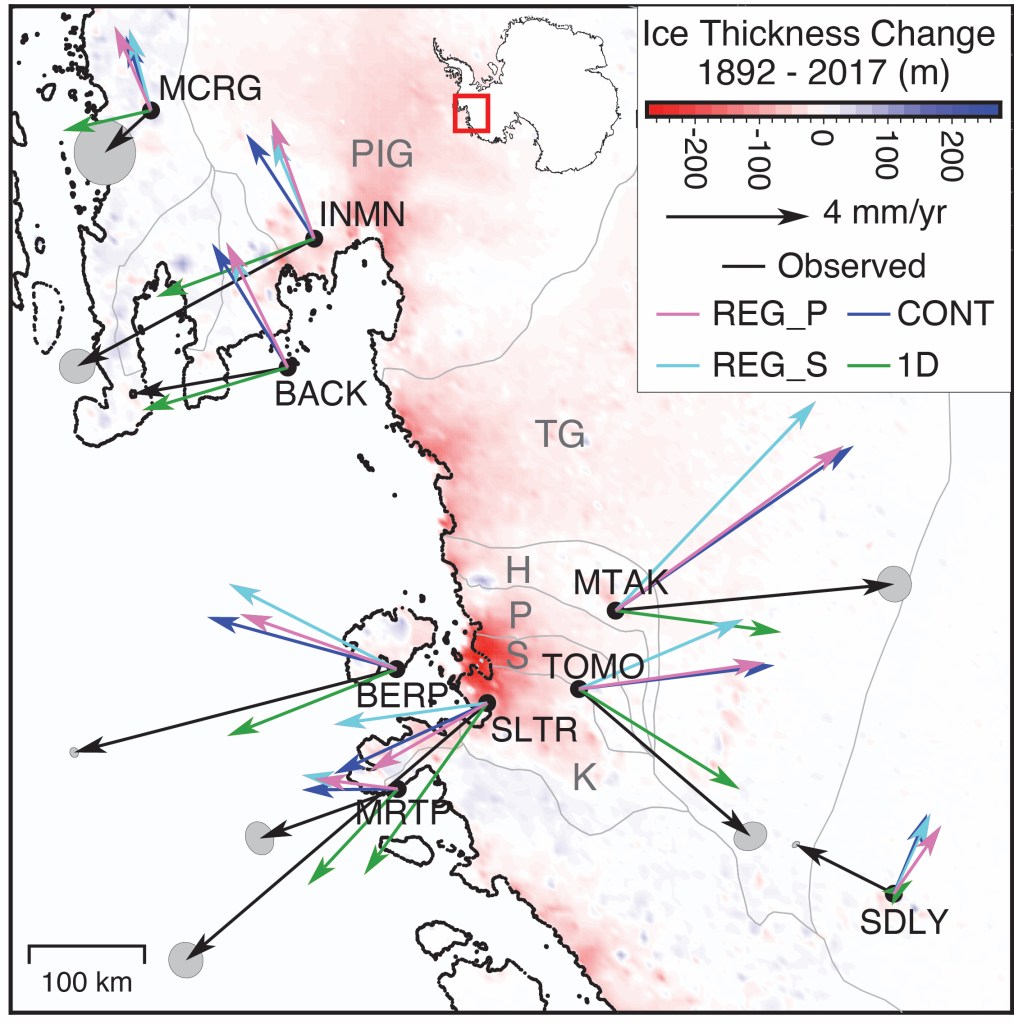
Predictions of the solid Earth response to changes in ice mass distribution, or glacial isostatic adjustment (GIA), are heavily reliant upon our understanding of the Earth’s viscoelastic structure in polar regions. It is well established that the ice sheet evolution depends on the bedrock elevation and sea level change at the grounding line (where ice goes from sitting on bedrock to floating on the ocean). My current work shows that regional variability in solid Earth structure will impact both sea level and bedrock elevation predictions for ice mass changes in West Antarctica over the next few centuries. This work has implications for improving constraints on the projected sea level contribution of the Antarctic and Greenland Ice Sheets.
Related publications
Lucas, E. M., Gomez, N., Wilson, T., 2025. The impact of regional-scale variability in upper mantle structure on glacial isostatic adjustment in West Antarctica. The Cryosphere, 19, 2387–2405, https://doi.org/10.5194/tc-19-2387-2025
Lucas, E.M., Richards, F.D., Cederberg, G., Bao, X., Hoggard, M. J., Tsuji, S. R. J., Latychev, K., Tsuji, L. J. S., Mitrovica, J. X, 2026. Emergence of Antarctic mineral resources in a warming world. Nature Climate Change. https://doi.org/10.1038/s41558-026-02569-1
Sadai, S., Karmalkar, A., Pollard, D., Dong, Y., Lucas, E. M., Gomez, N., DeConto, R., Condron, A., 2025. Antarctic meltwater alters future projections of climate and sea level. Nature Communications, 16, 9271. https://doi.org/10.1038/s41467-025-64438-3.
Lucas, E. M.*, Haubner, K.*, Gomez, N., Rahlves, C., Born, A., Richter, K., Nisancioglu, K. H., in prep. Assessing the contribution of the Greenland Ice Sheet to local sea level by 2100.
Seismic investigations of solid Earth structure
Given the expansive ice coverage across Antarctica, seismic studies offer key insight into the tectonic history and geologic structure of the continent. My research characterizing solid Earth structure in Antarctica is focused on better understanding the origin and development of sub-continental tectonic feature, such as the West Antarctic Rift System and Marie Byrd Land dome.
Related publications
Lucas, E. M., Soto, D., Nyblade, A. A., Lloyd, A. L., Aster, R. C., Wiens, D. A., O’Donnell, J. P., Stuart, G.W., Wilson, T. J., Dalziel, I. W., Winberry, J. P., Huerta, A. D., 2020. P- and S-wave velocity structure of central West Antarctica: Implications for the tectonic evolution of the West Antarctic Rift System. Earth and Planetary Science Letters 546. https://doi.org/10.1016/j.epsl.2020.116437.
Lucas, E. M., Nyblade, A. A., Lloyd, A. L., Aster, R. C., Wiens, D. A., O’Donnell, J. P., Stuart, G. W., Wilson, T. J., Dalziel, I. W., Winberry, J. P., Huerta, A. D., 2021. Seismicity and Pn velocity structure of central West Antarctica. Geochemistry, Geophysics, Geosystems, 22, e2020GC009471. https://doi.org/10.1029/2020GC009471.
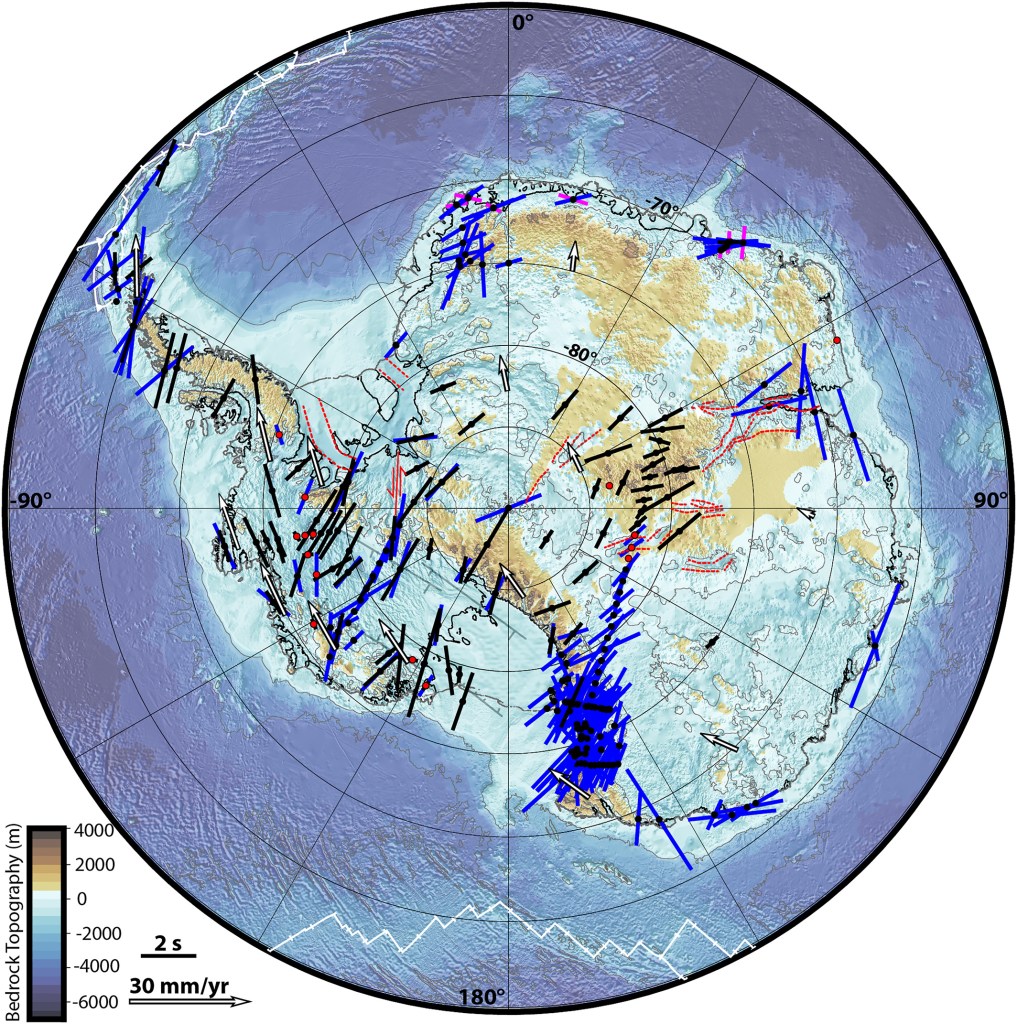
Lucas, E. M., Nyblade, A. A., Accardo, N. J., Lloyd, A. L., Aster, R. C., Wiens, D. A., O’Donnell, J. P., Stuart, G. W., Wilson, T. J., Dalziel, I. W., Winberry, J. P., Huerta, A. D., 2022. Shear wave splitting across Antarctica: Implications for upper mantle seismic anisotropy. Journal of Geophysical Research: Solid Earth, 127, e2021JB023325. https://doi.org/10.1029/2021JB023325.
Rathnayaka, S., Nyblade, A. A., Lucas, E. M., Wiens, D. A., Aster, R. C., Wilson, T. J., Crust and uppermost mantle structure beneath rock-sited POLENET stations surrounding the Amundsen Sea Embayment and in other parts of West Antarctica. In review at Tectonophysics.
Environmental seismology
Seismic datasets can be used to better understand varied glaciologic, oceanographic, and volcanic processes. I have used studies of seismicity and seismic to provide insight into the dynamics of glacier flow and discharge into the ocean, water flow in Greenland’s fjords, and magmatism in West Antarctica
Related publications
Lucas, E. M., Nyblade, A. A., Wiens, D. A., Aster, R. C., & Wilson, T. J., 2025. Seismic evidence for widespread active magmatism in Eastern Marie Byrd Land, Antarctica. Geophysical Research Letters, 52, e2025GL116647. https://doi.org/10.1029/2025GL116647
Lucas, E. M., Nyblade A. A., Aster, R. C., Wiens, D. A., Wilson, T. J., Winberry, J. P., Huerta, A. D., 2023. Tidally Modulated Glacial Seismicity at the Foundation Ice Stream, West Antarctica. Journal of Geophysical Research Earth Surface, 128 (7). https://doi.org/10.1029/2023JF007172.
Lucas, E. M., Liu, Y., Gomez, N. Widespread Seismic Tremor in Greenland’s Fjords. In review at Earth and Planetary Science Letters.

 Erica M. Lucas