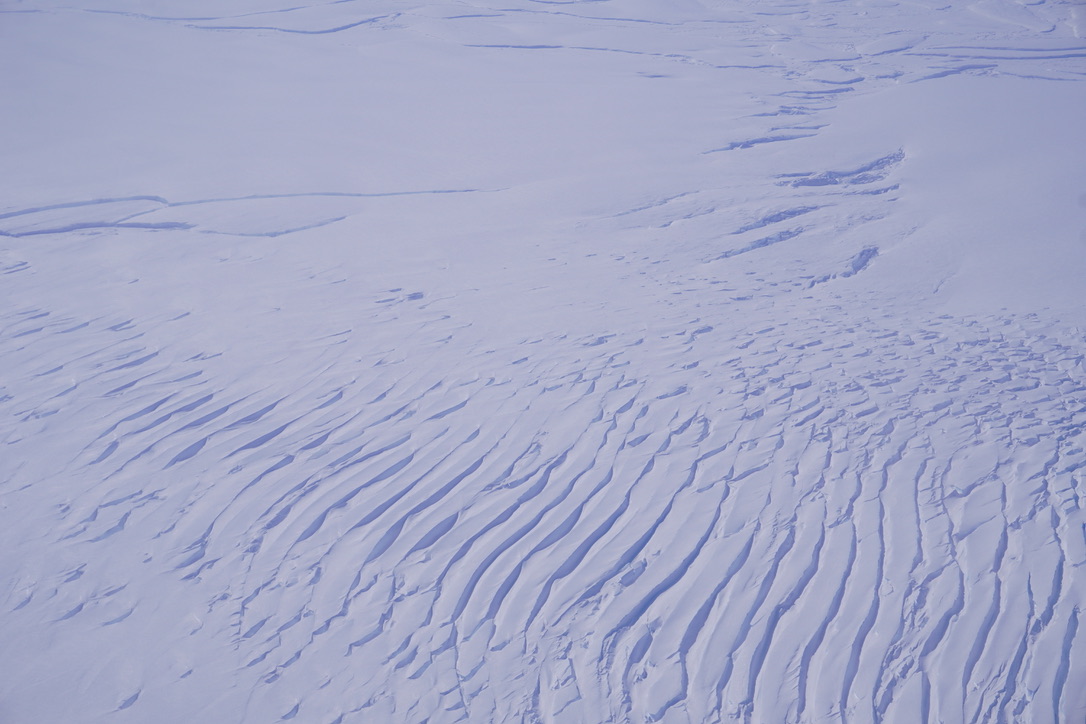
To advance our understanding of various geophysical and glaciological processes in the polar regions, a combination of data collection, analysis, and modeling is required. Because field observations and data collection can help to inform seismic and geodynamic modeling efforts (and vice versa), I am involved in both aspects.
Polar Earth Observing Network (POLENET), 2025-2026
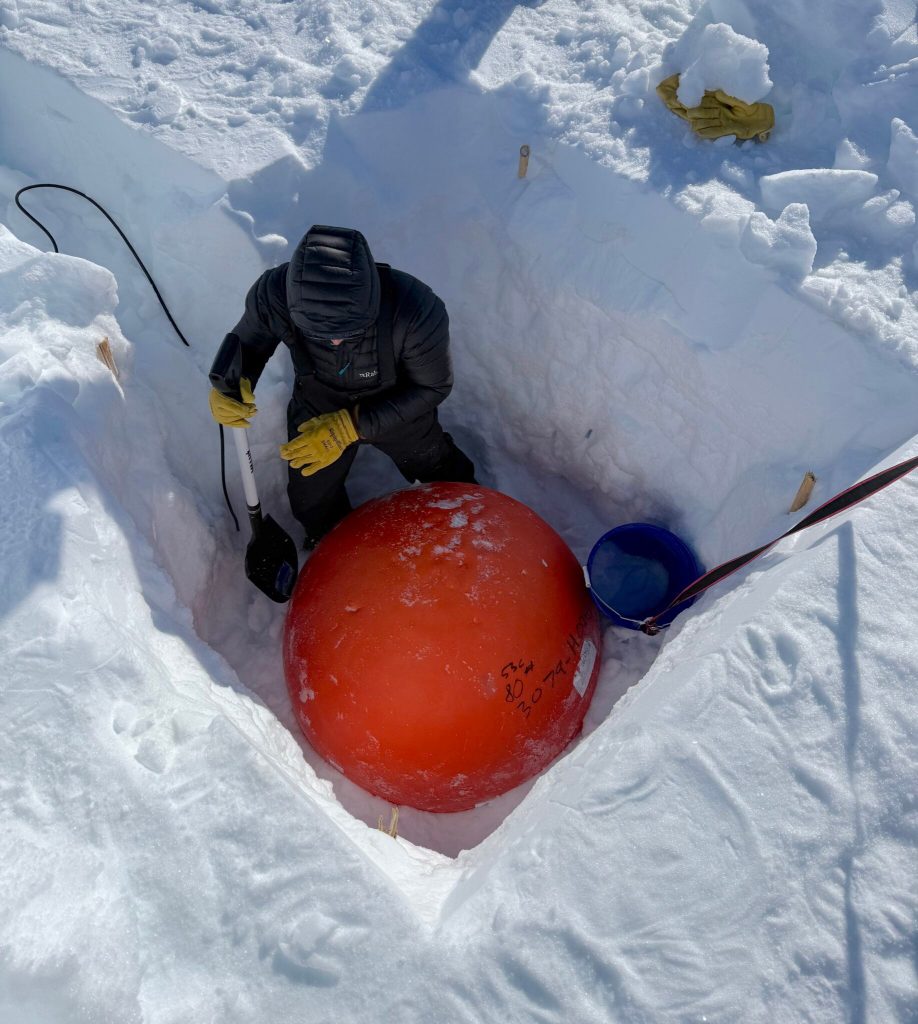
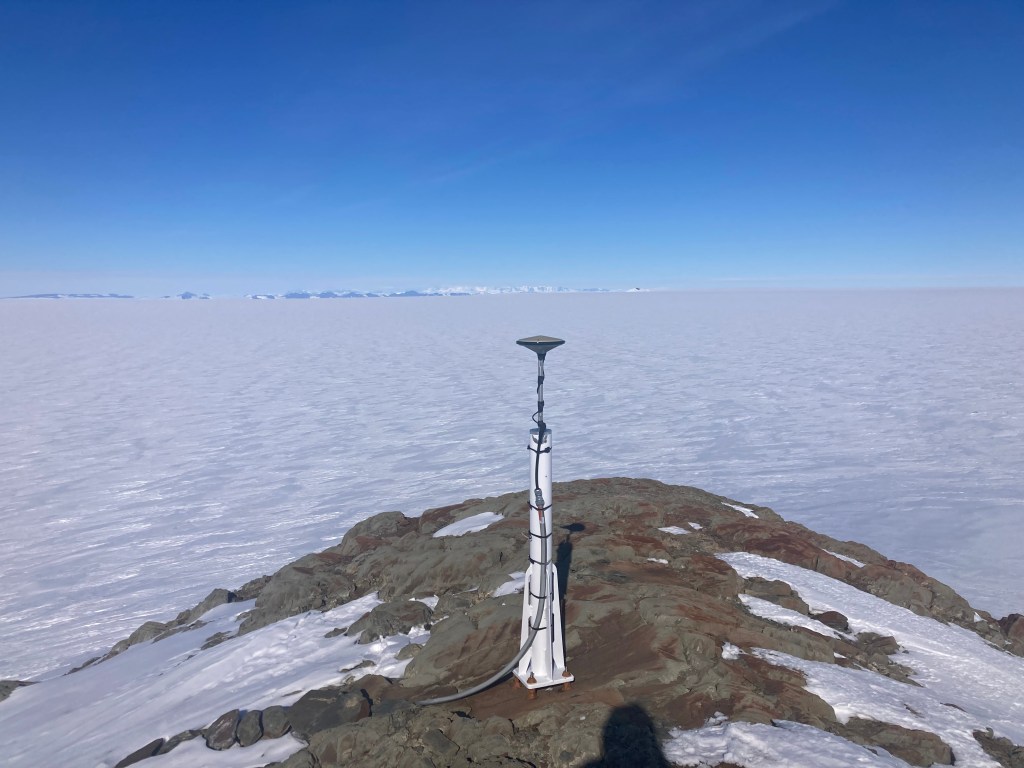
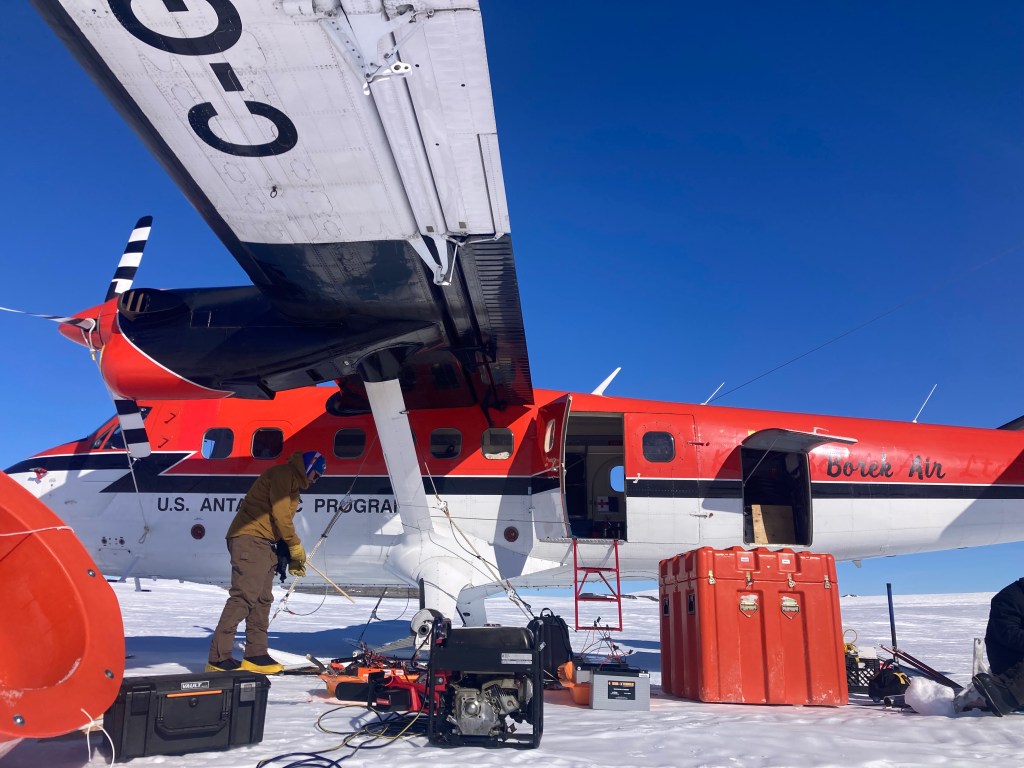
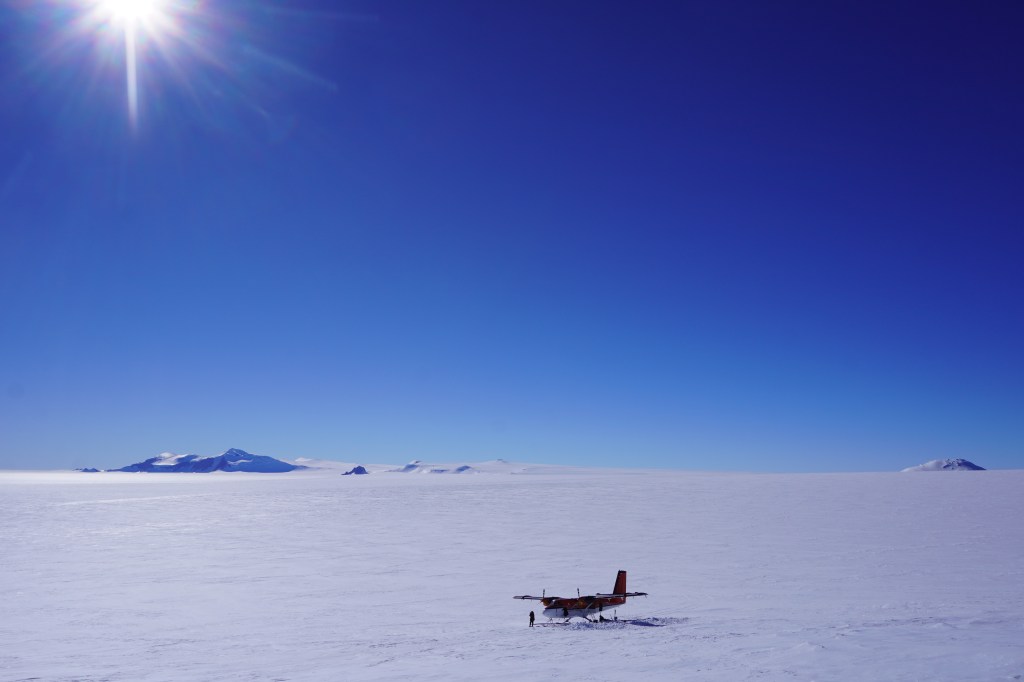
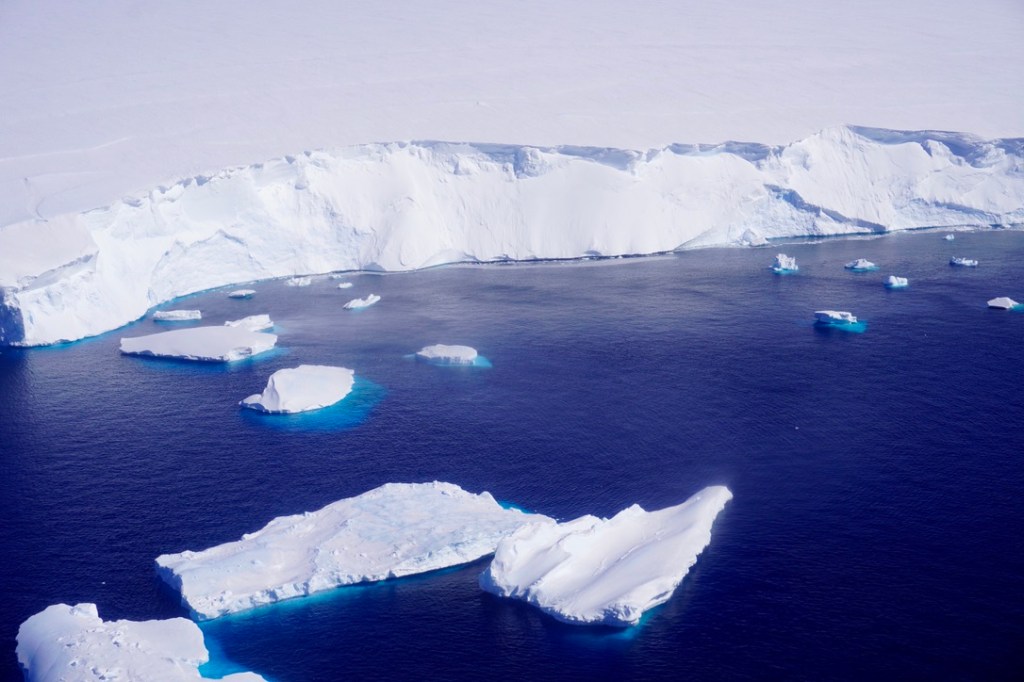
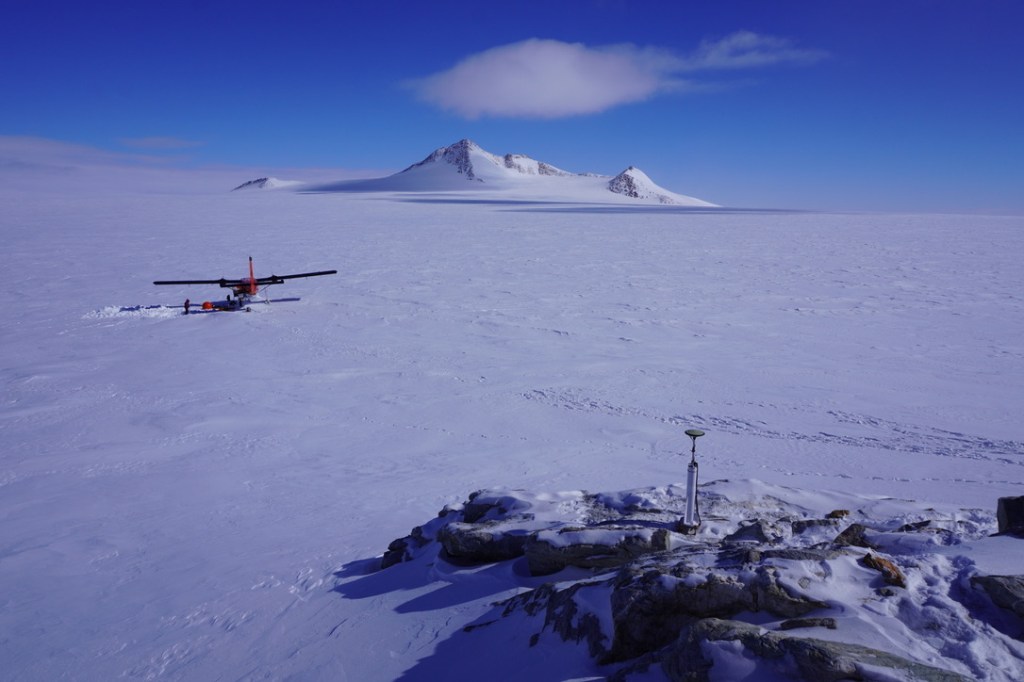
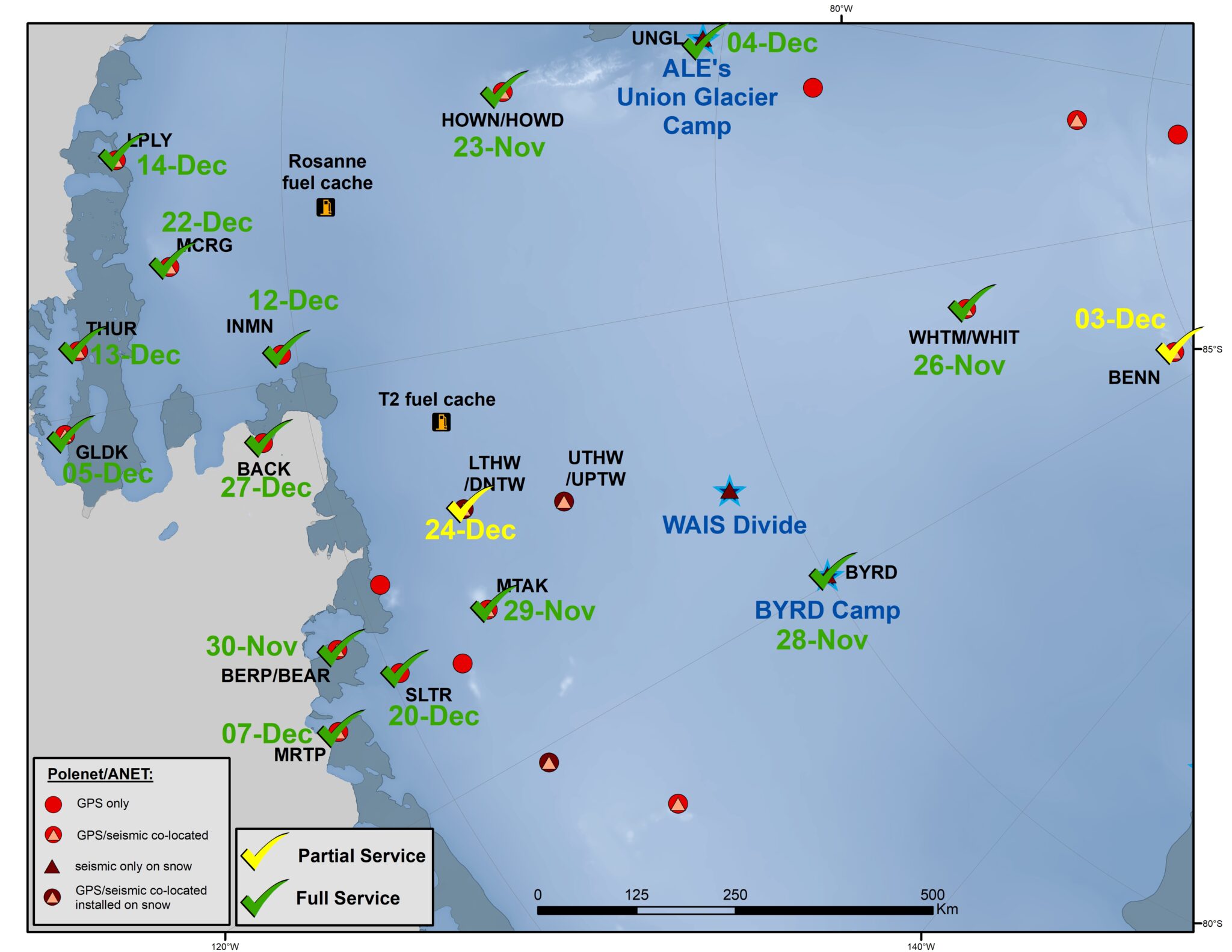
We had another great season at Union Glacier Camp in West Antarctica! This was the final science season for POLENET, a seismic and GPS network that began during the International Polar Year in 2007-08. The season was filled with many site decommissions, including 9 seismic decommissions and 4 GPS decommissions. Check out the POLENET field blog for more photos and details.
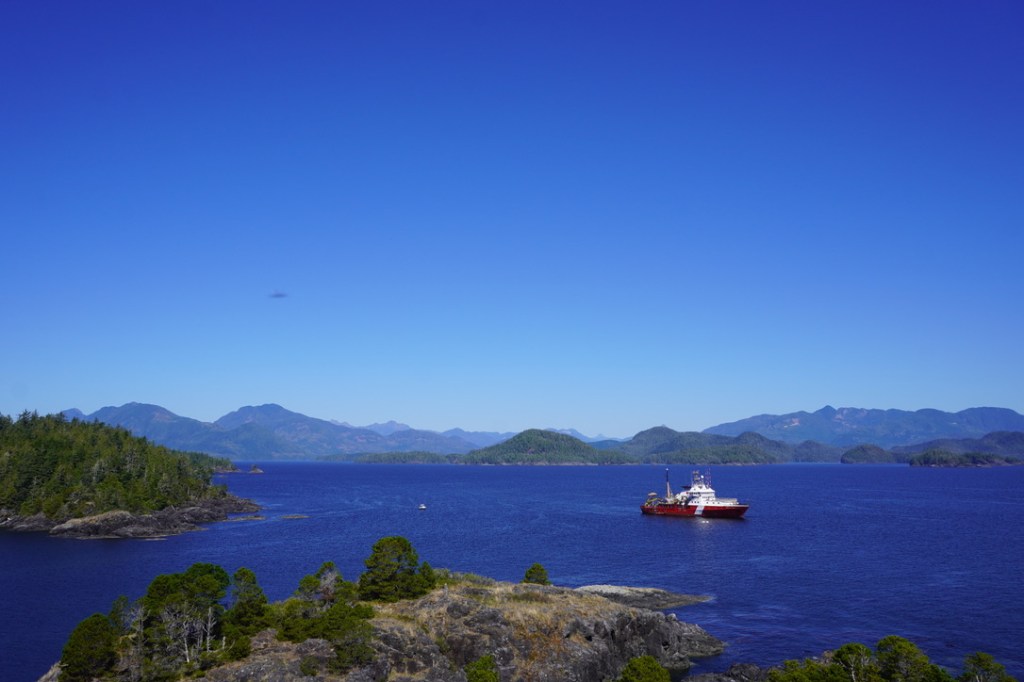
Pacific Coast Assessment for Faults and Earthquakes (PACSAFE) cruise, August 2025
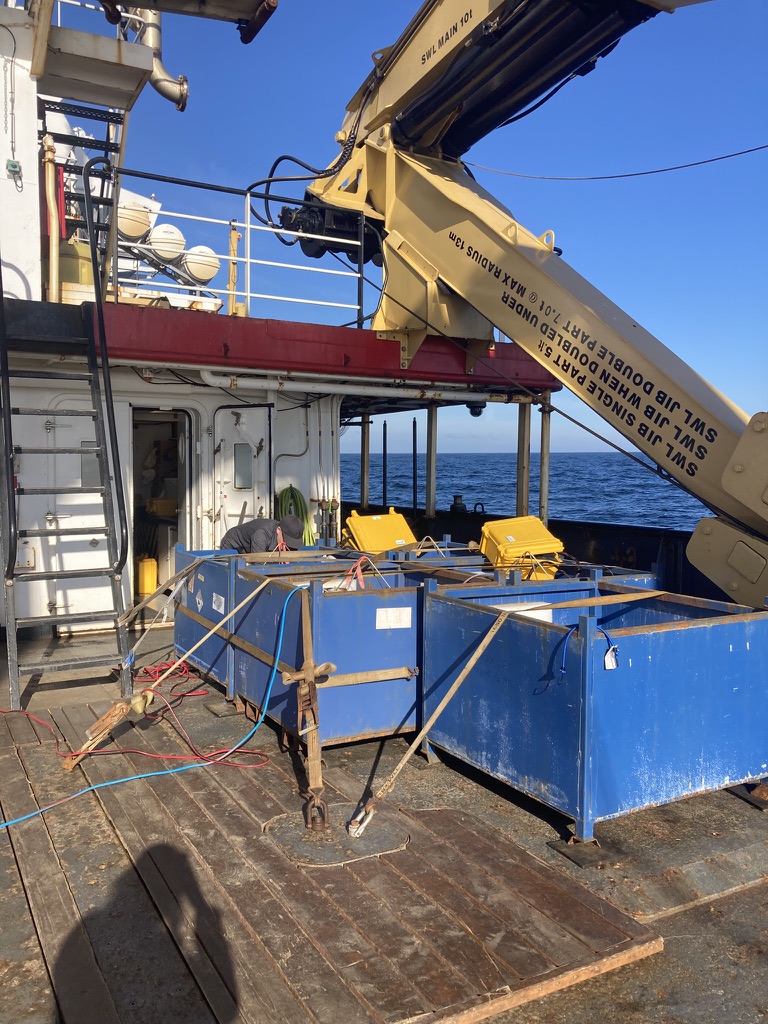
I sailed on the PACSAFE cruise from August 5 – 24, 2025 to recover and deploy ocean bottom seismometers off the coast of British Columbia, Canada. We sailed on the CCGS John P. Tully.

Polar Earth Observing Network (POLENET), 2024-2025
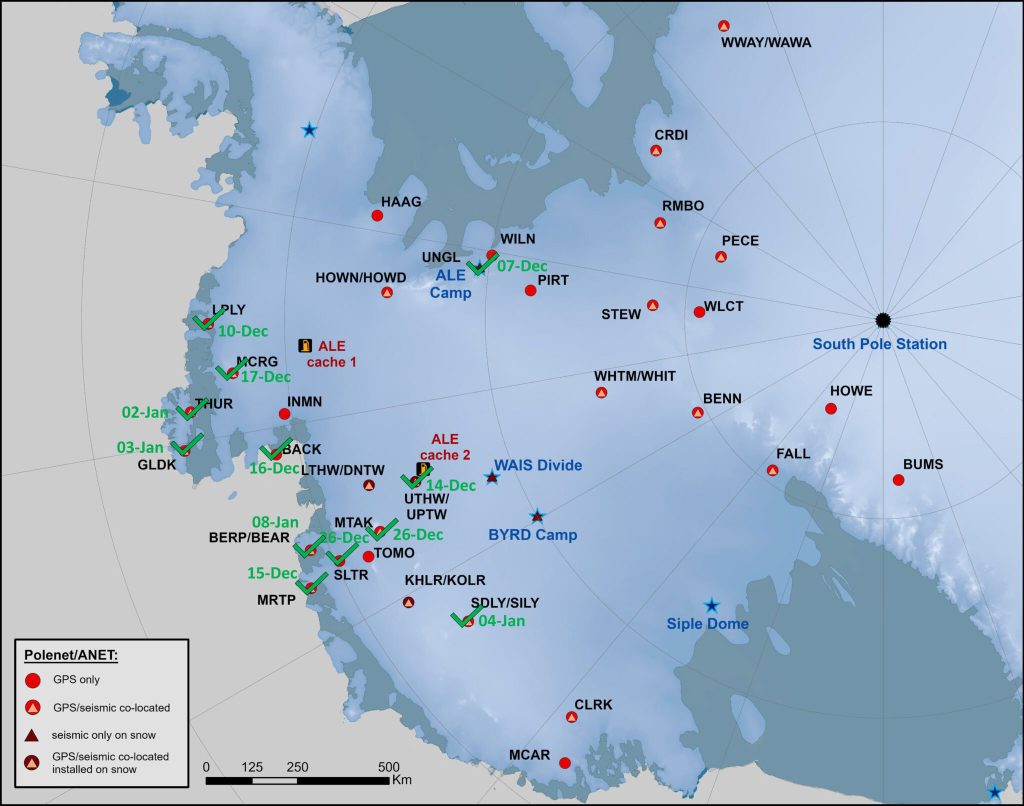
I was a member of the POLENET field team for the ’24-’25 field season based out of Union Glacier Camp in West Antarctica. This season we visited 12 POLENET seismic / GPS sites and collected new seismic data from ten of the sites. For more pictures and details about the season on the POLENET field blog – https://polenet.org/2024-2025-field-season-progress/. Data from this season is being used to continue improving constraints on solid Earth structure and study seismicity arising from glaciologic, volcanic, and tectonic processes in the region.
Polar Earth Observing Network (POLENET), 2023-2024
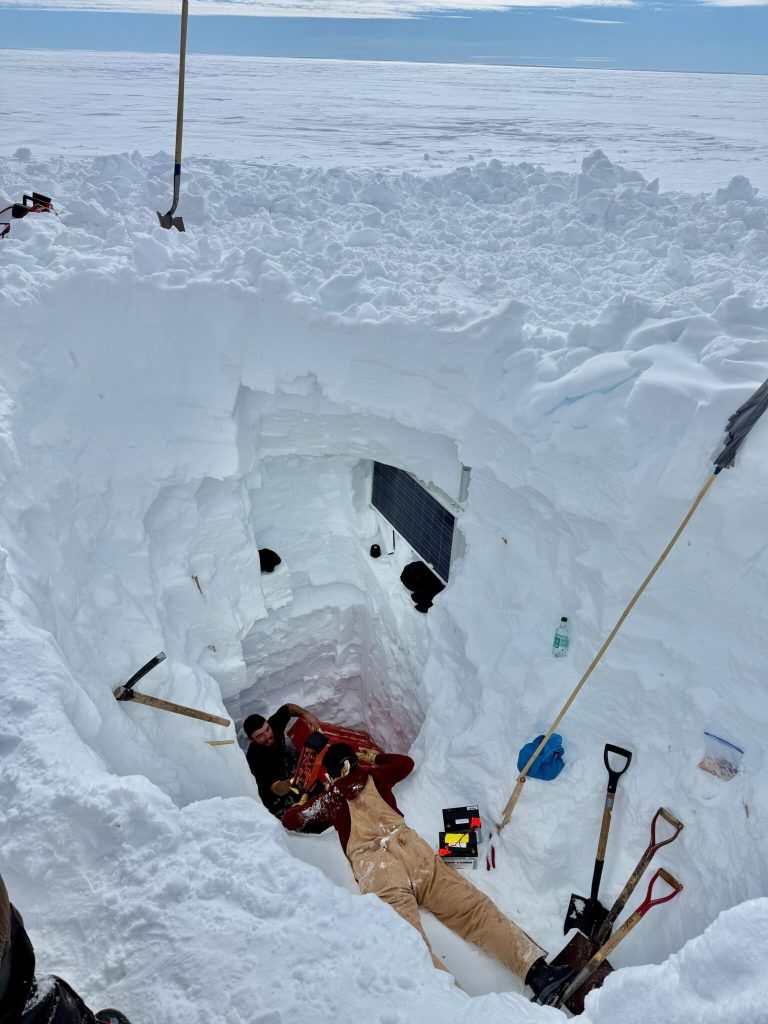
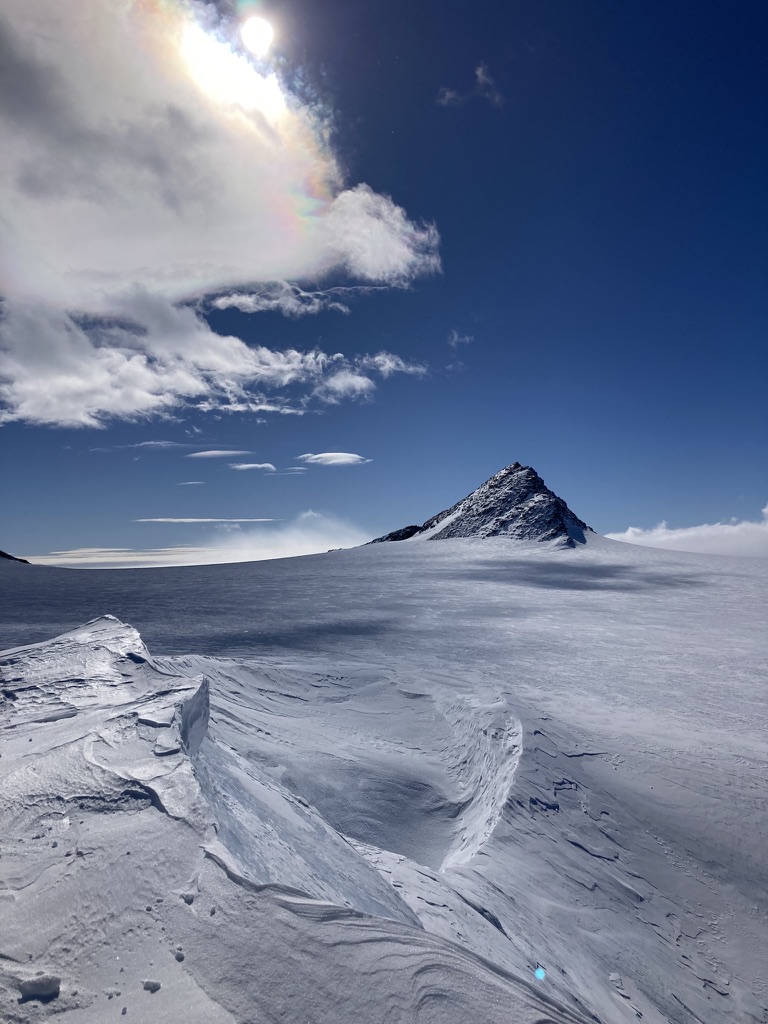
I was a member of the field team for the POLENET project in the 2023 – 2024 season. This season we were based out of Union Glacier Camp in the Ellsworth Mountains of West Antarctica. POLENET is an autonomous seismic and GPS network deployed across West Antarctica. The first POLENET stations were installed in 2007 and there are still ~20 backbone stations deployed in Antarctica. See the great POLENET field blog and my photos below for some more details on the work required to keep this network running!
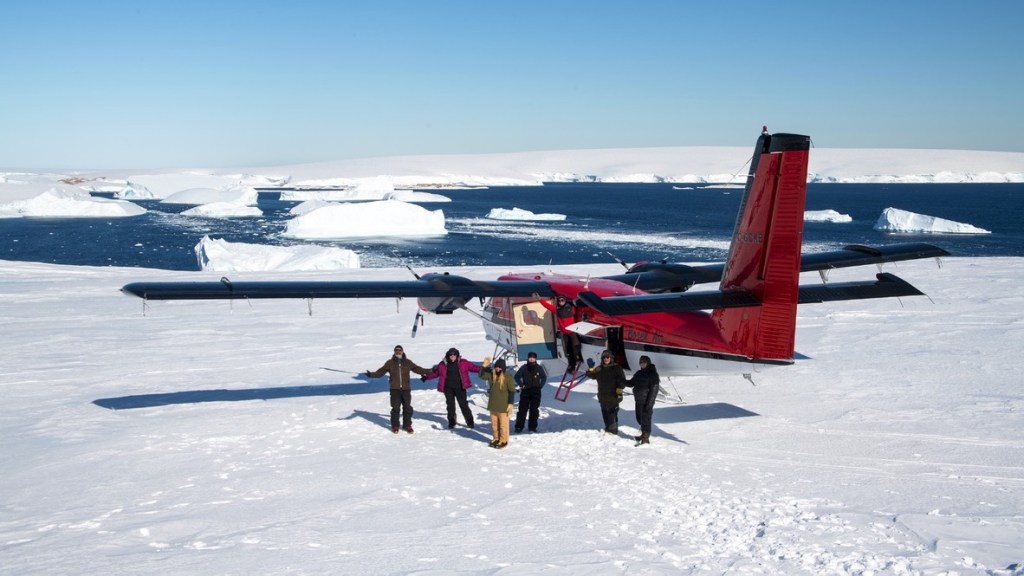

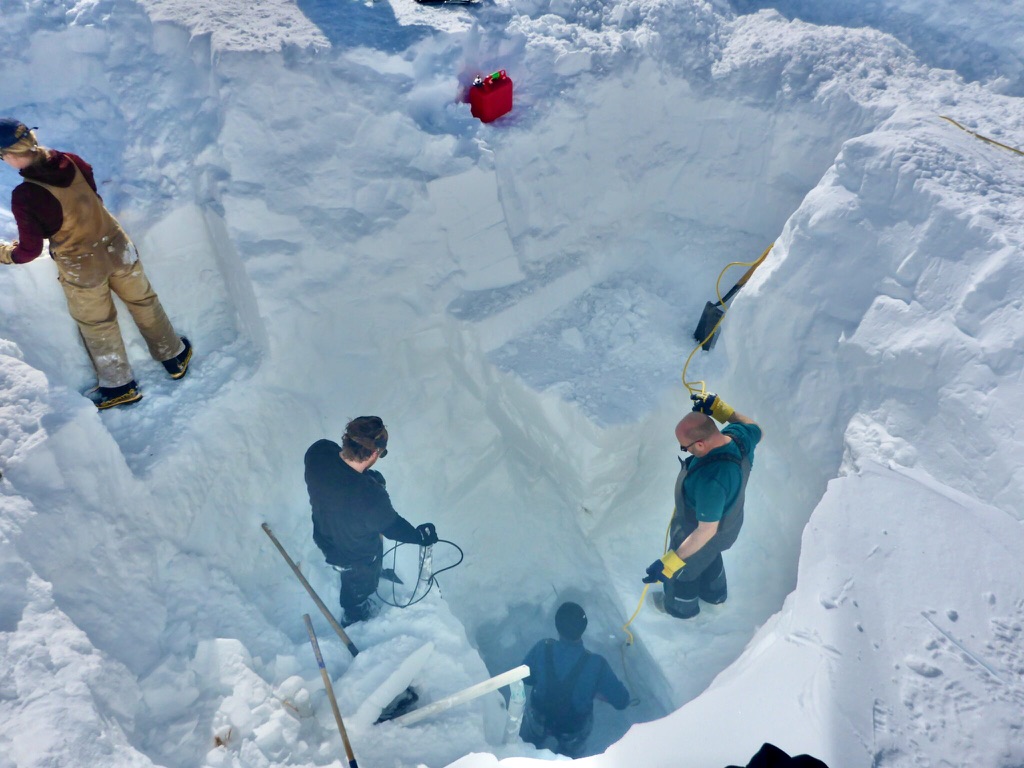
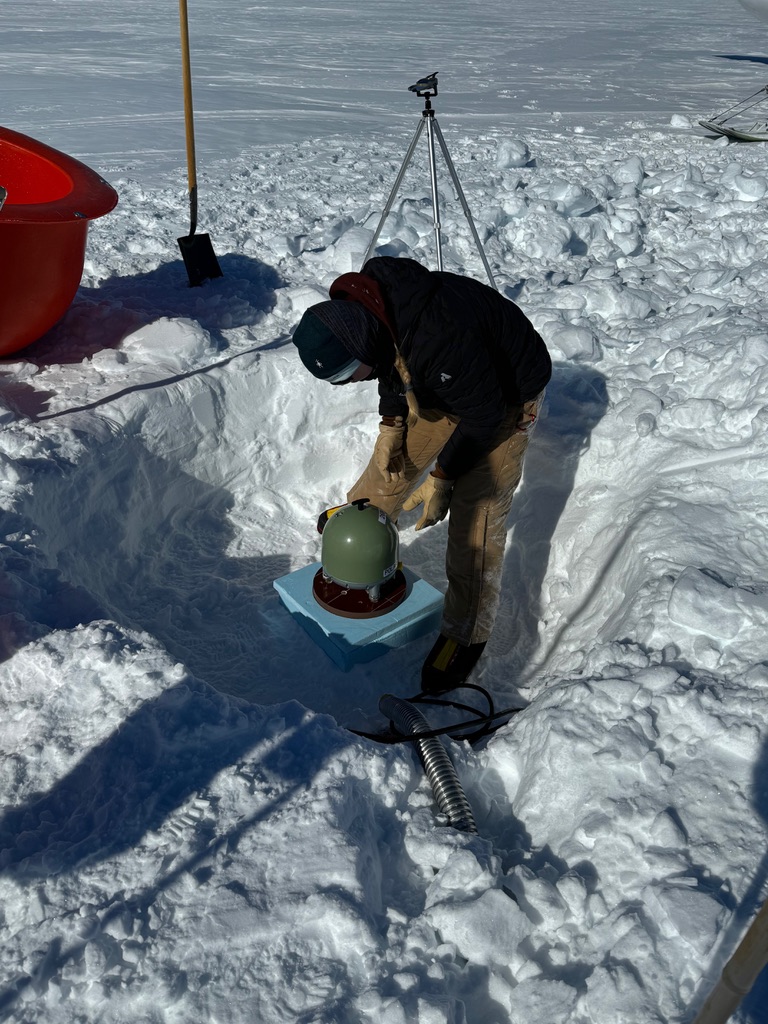
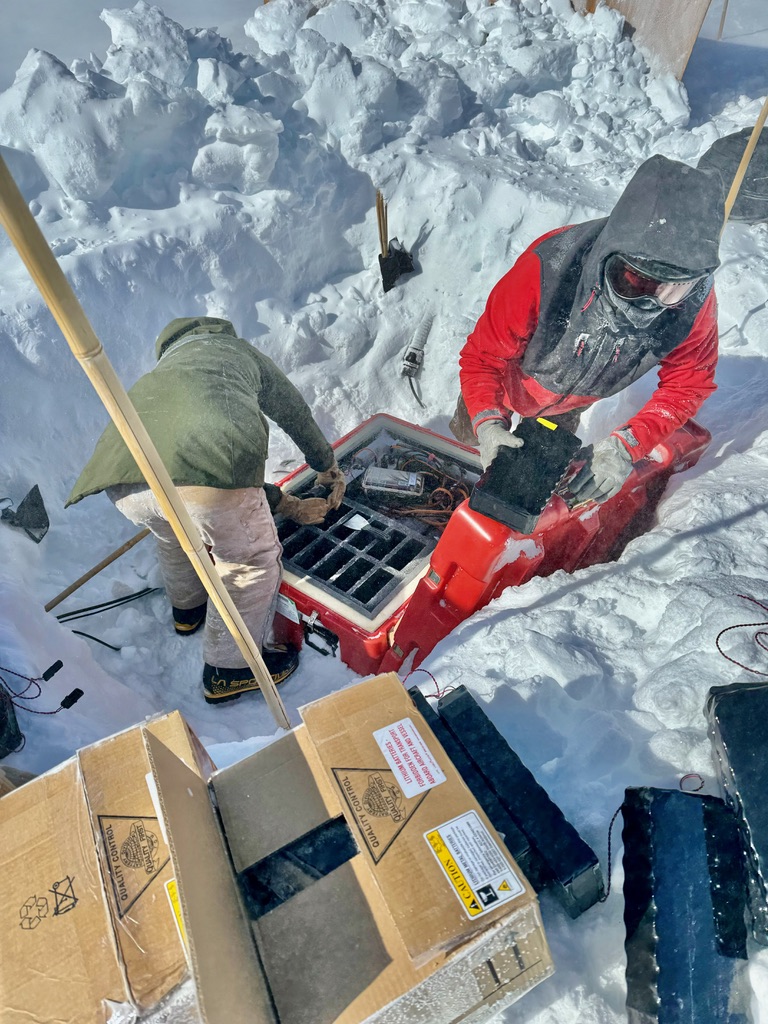
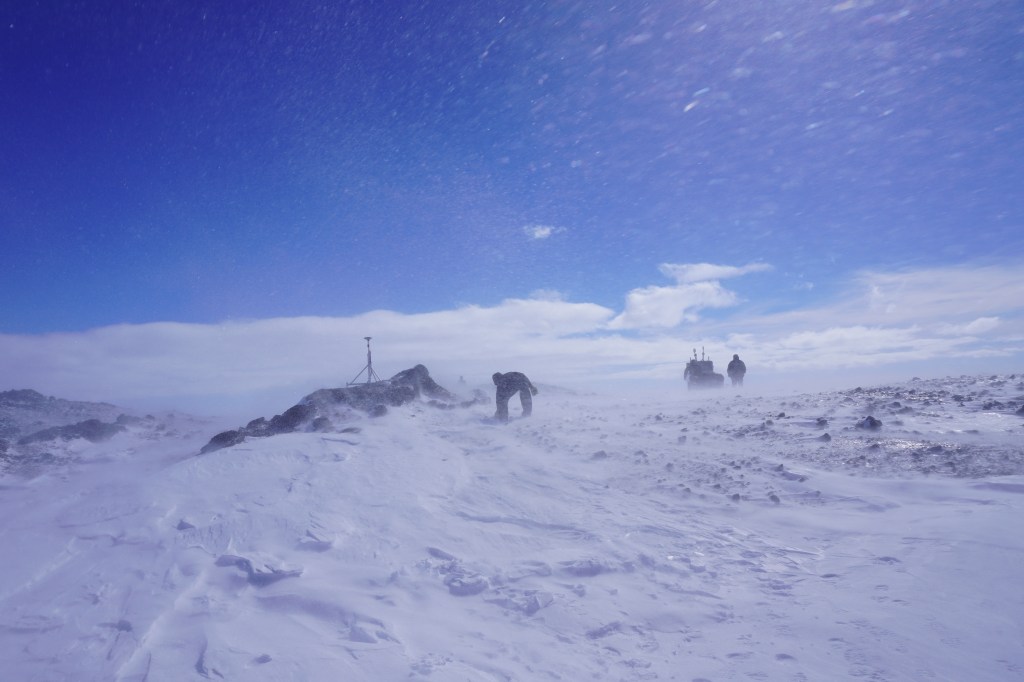
windy day at Mt. Takahe
 Erica M. Lucas